HEALED | Tattooed vessels
The project emerged from a deep material and formal exploration of leather — a living, organic material that carries memory, marks, and change. Like human skin, it holds traces of its past; and through tattooing, these traces become permanent symbols of identity, story, and time. This raises a question: if tattoos express human experience, why not apply them to an object made from a living material like leather?
This idea first took shape in the initial tattooed vessel, created in collaboration with tattoo artist Amit Kaplan for the “Shonot 2023” exhibition. It marked a shift — using tattoo not on the body, but on an object — allowing a functional form to carry emotional and personal narratives.
Beyond the material, the vessel itself holds historical meaning. Throughout history, vessels served as surfaces for storytelling — documenting beliefs, rituals, and daily life. LUVATON’s tattooed vessels continue this tradition, using tattooing as a contemporary form of mark-making.
The project bridges body and object, past and present, craftsmanship and innovation.
The Technique and Experience of Tattooing on Leather
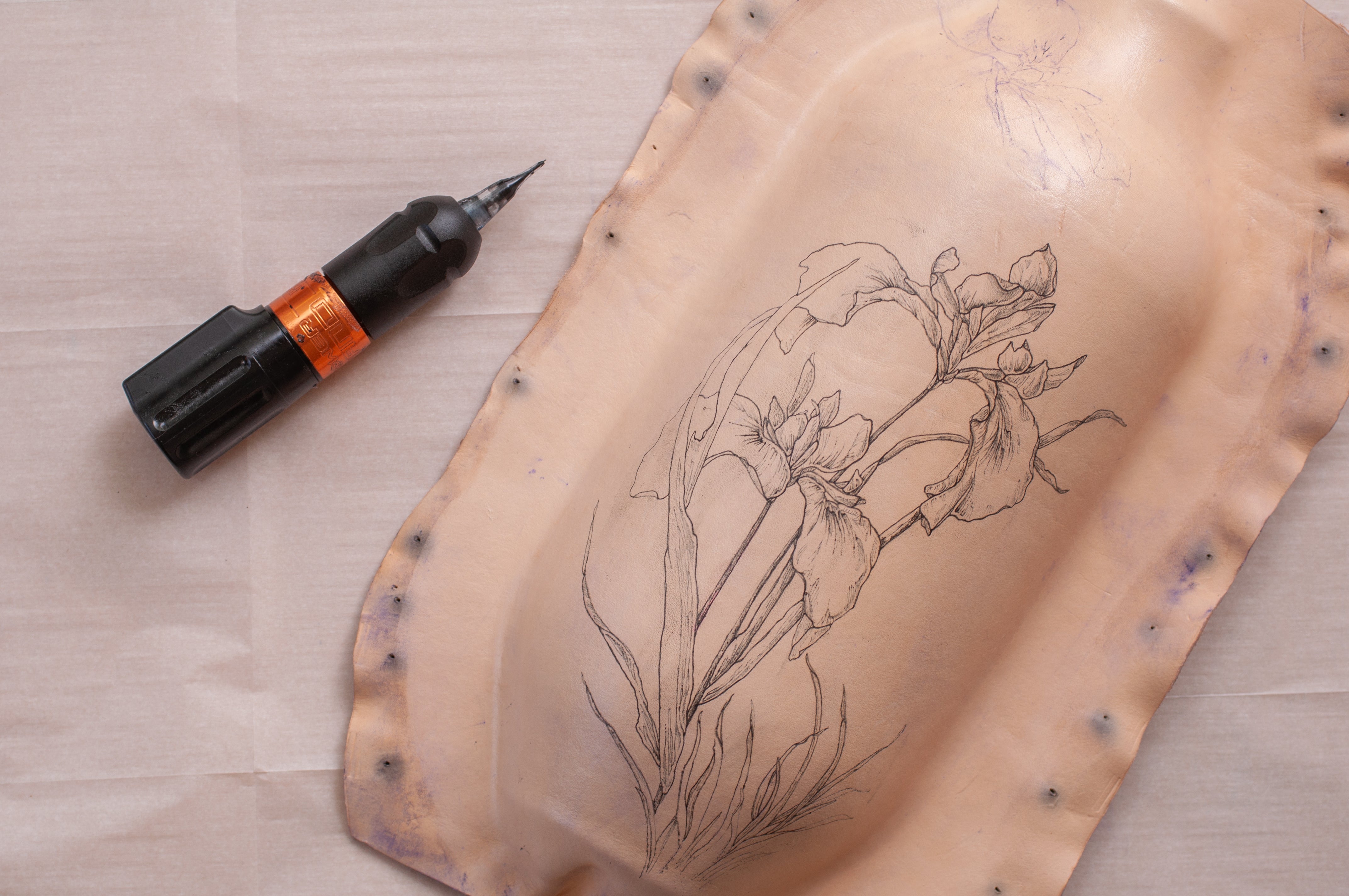
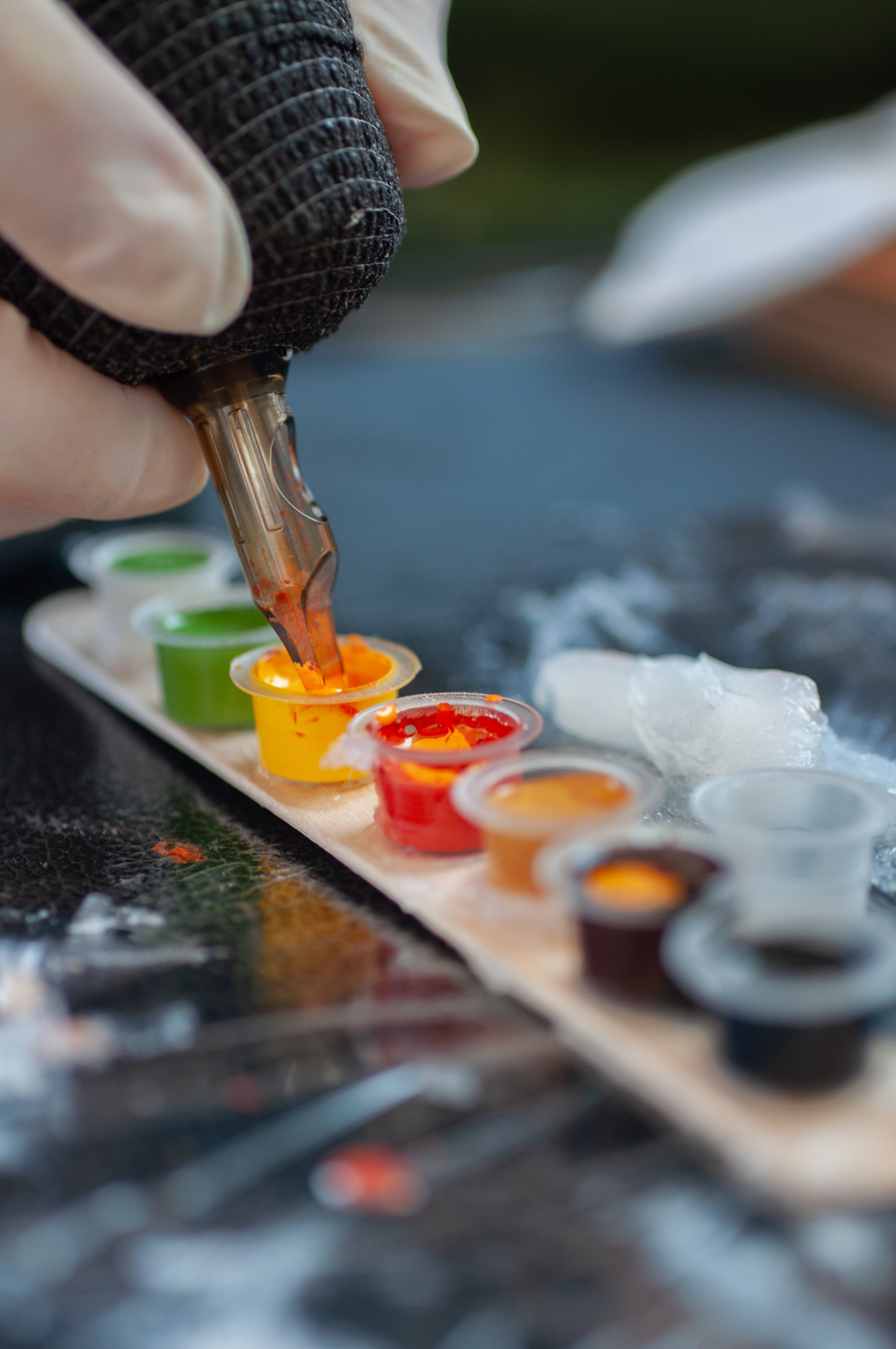
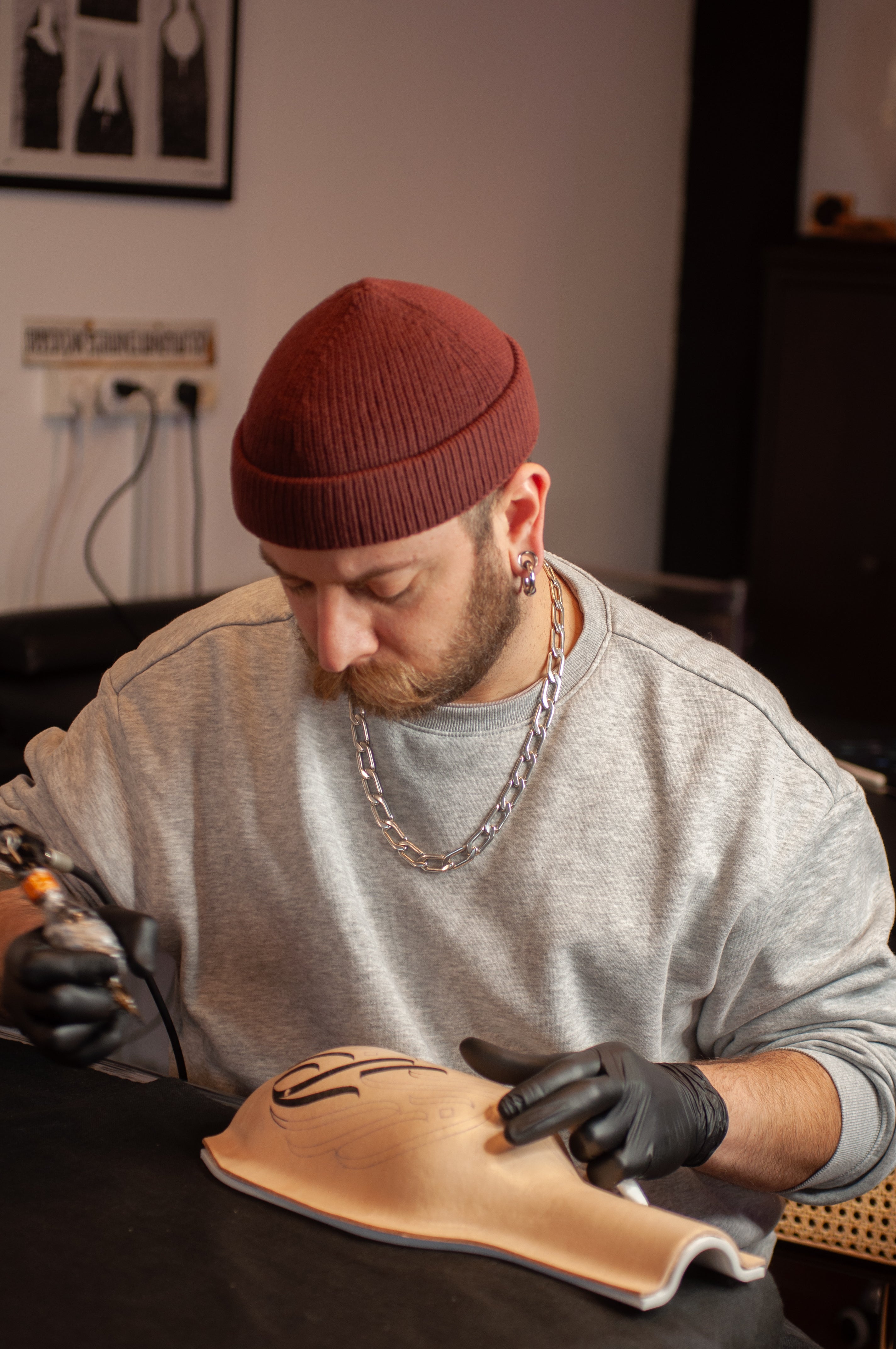
The process of tattooing on leather became a journey of discovery and technical challenge for both Talia and the tattoo artists involved. Unlike human skin, treated leather is more rigid, absorbs differently, and can even resist or guide the movement of the needle. This uncertainty turned the process into a dialogue with the material — each line shaped through sensitivity, adaptation, and a deep understanding of its behavior. Precision and patience were essential, as nothing could be erased or corrected, much like a tattoo on the human body.
Artistic Selection and Personal Journey
Beyond the material challenge, the project became a personal curatorial journey. Just as Talia explores the layers within leather, she carefully selected tattoo artists with distinct styles and visual languages. Each collaboration brought a unique interpretation to the meeting between tattoo and material, resulting in vessels with a singular identity — each one a one-time encounter between artist, hand, and object.
Tattoo Artists
Jenny Pokrivaillo
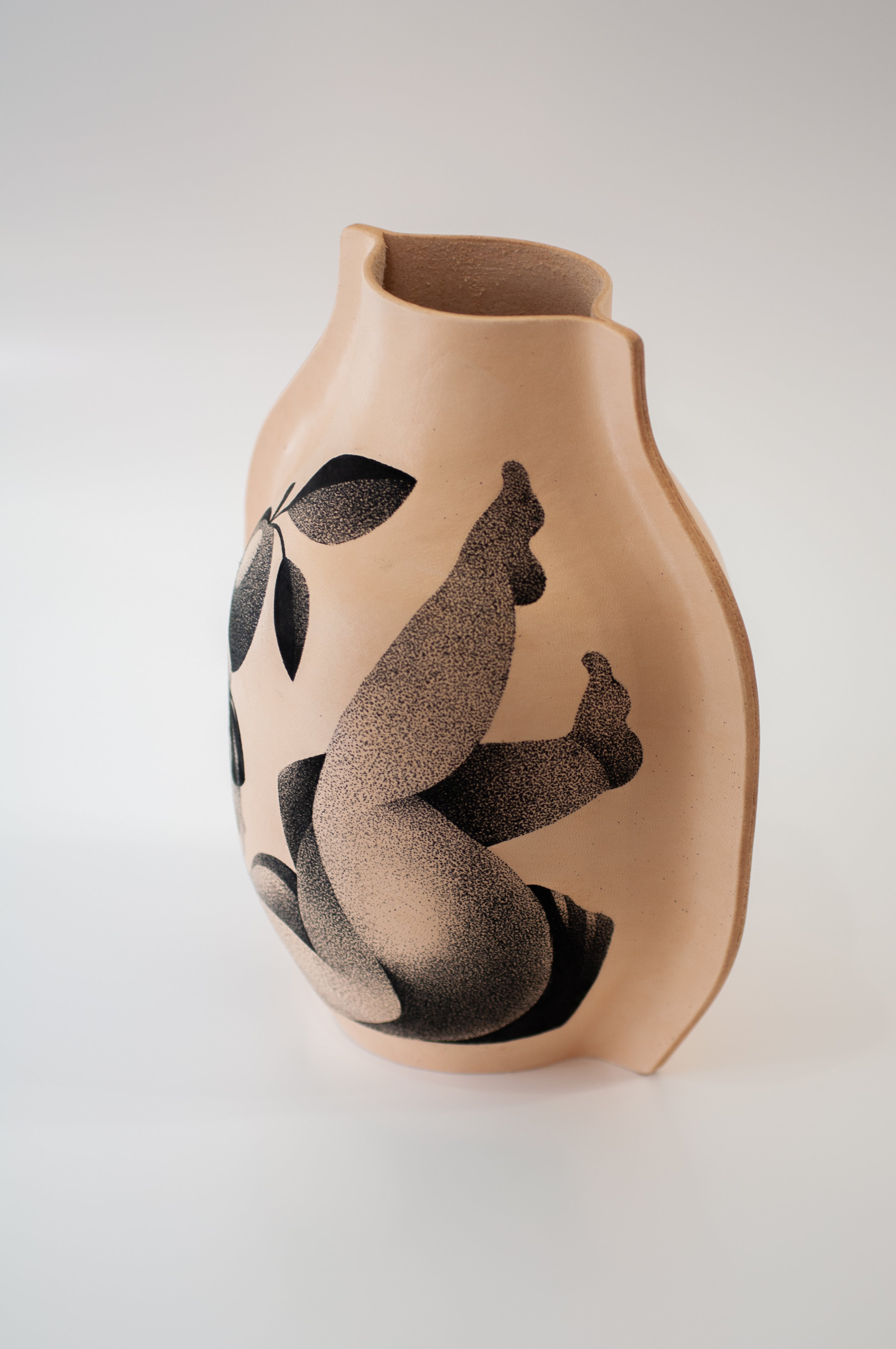
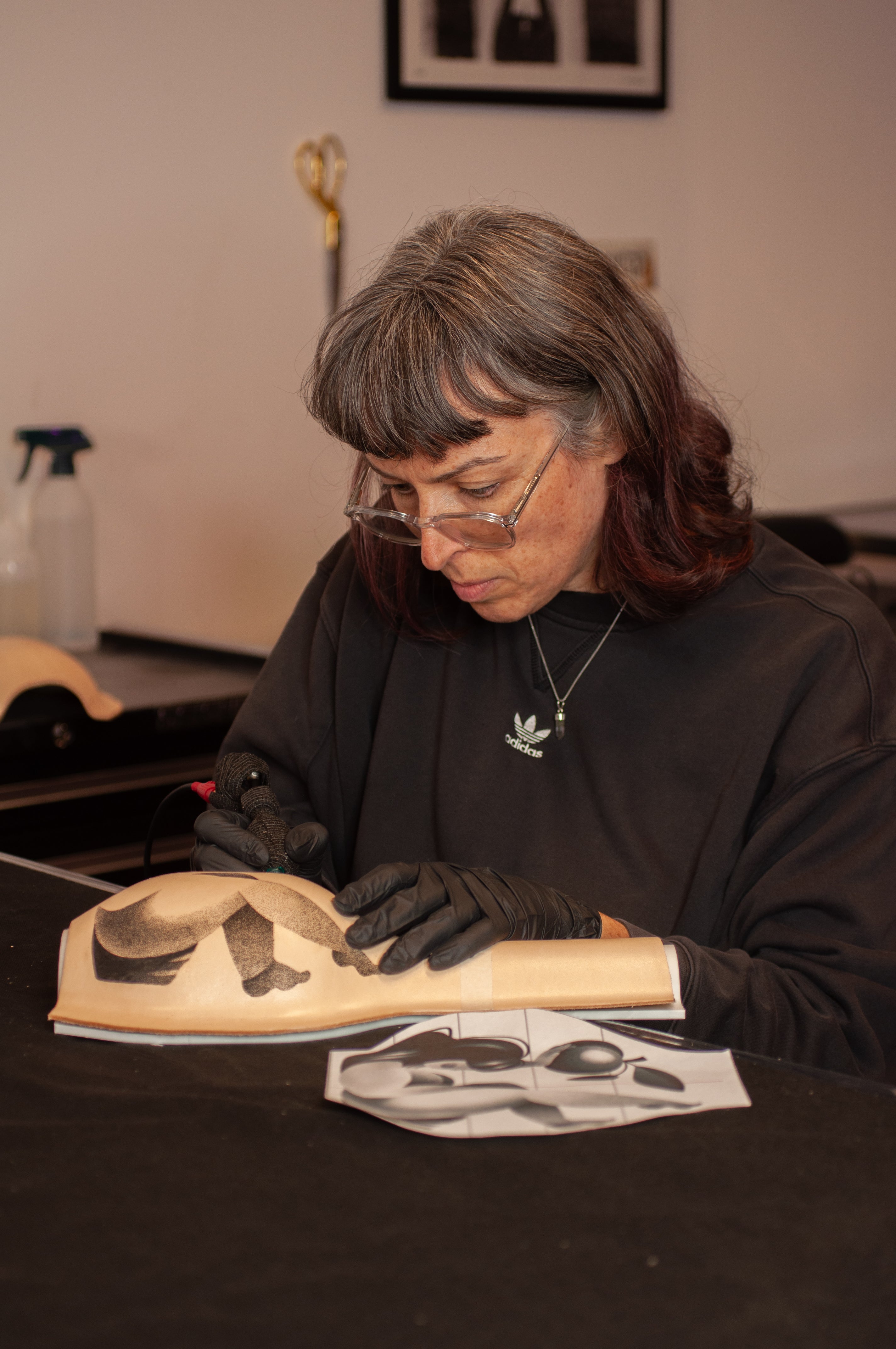
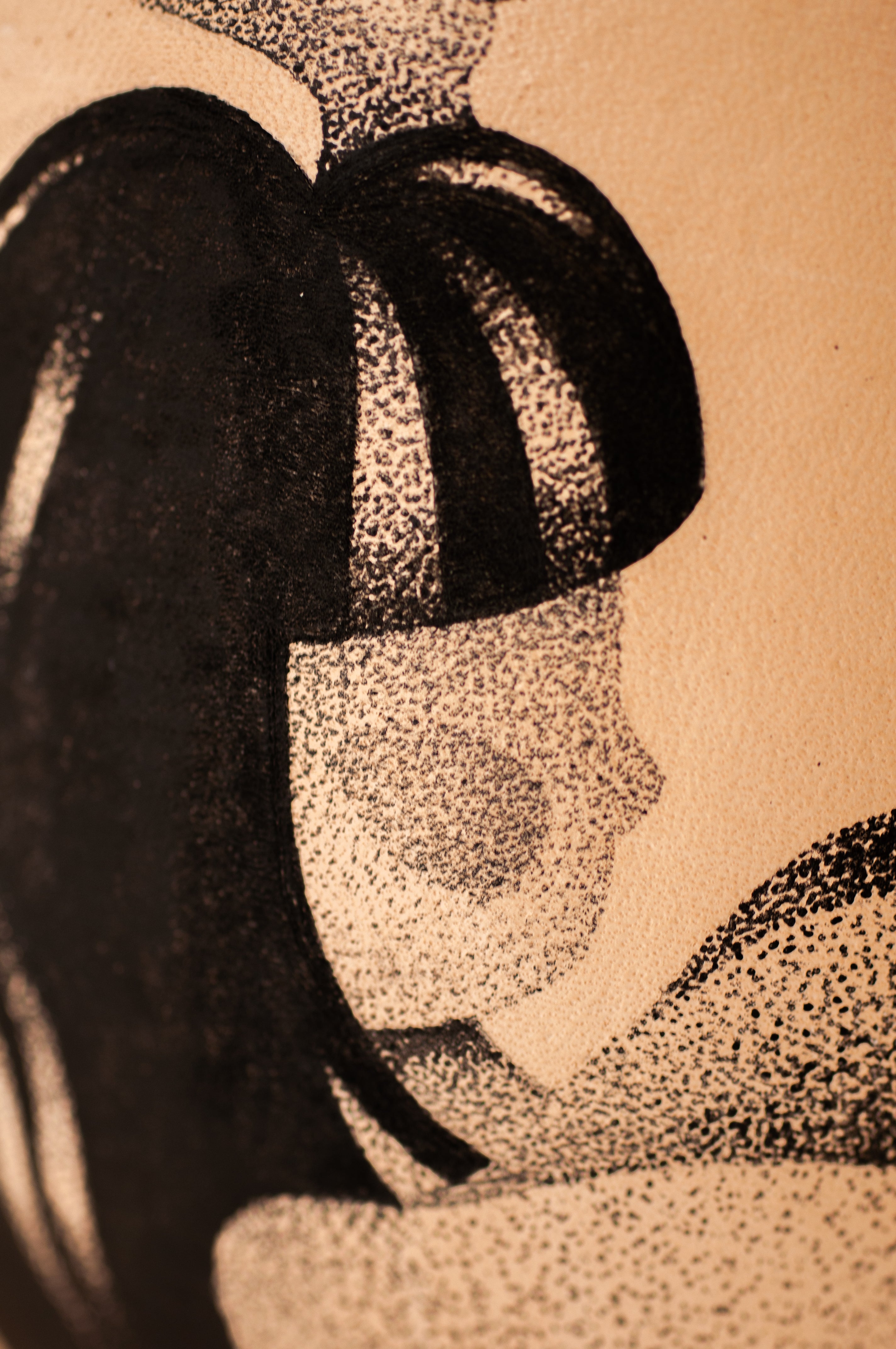
Jenny is an artist, designer, illustrator, and tattooist exploring the dialogue between material and spirit, ink and skin, chaos and order. Working intuitively, she combines precise compositions with imagery that emerges through a devoted process. Her practice moves between presence and absence, the visible and the concealed, creating an emotional and conscious connection.
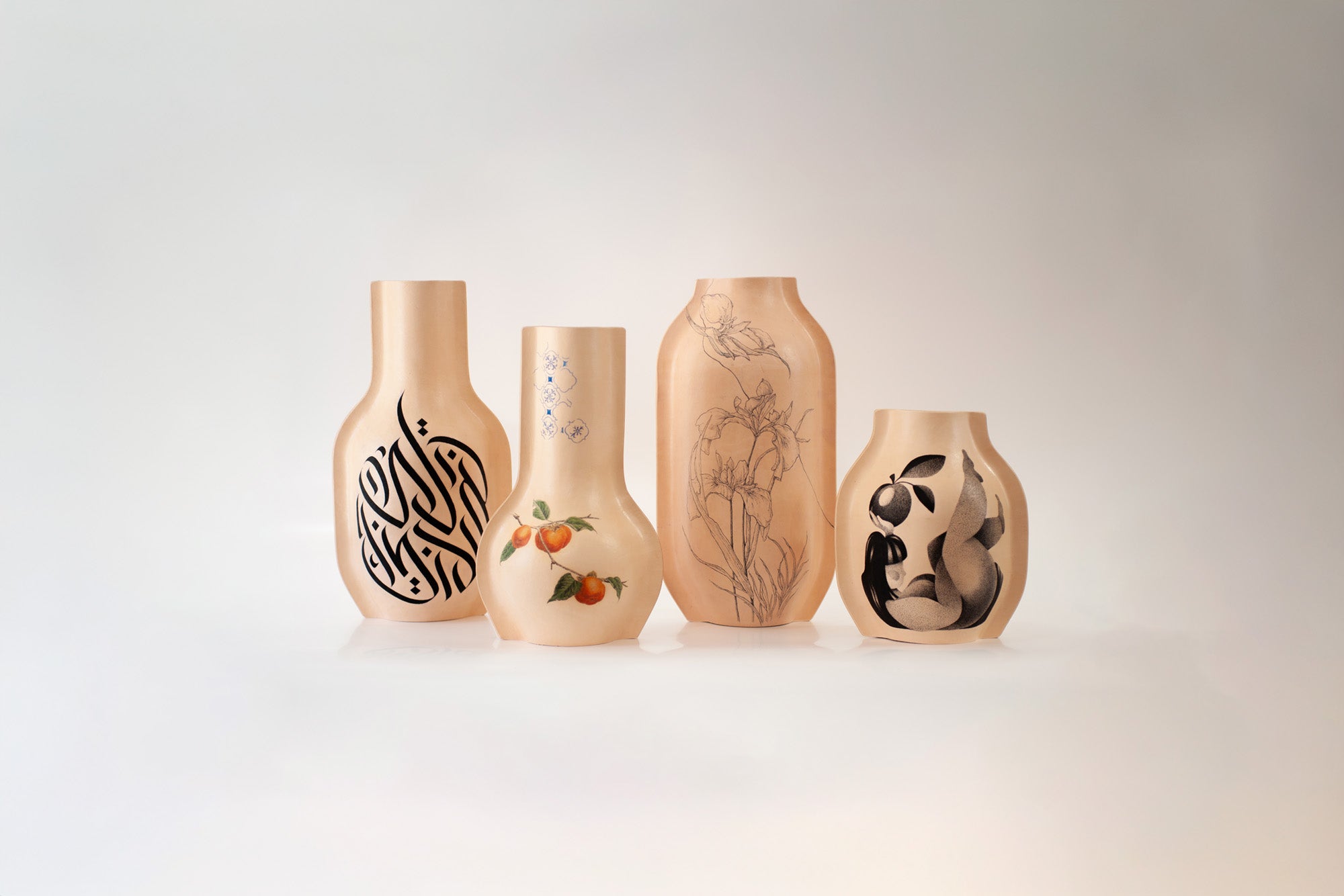
For the vessel, Jenny tattooed a soft, embracing female figure that exists in harmony with the form. The image reflects the historical connection between women and vessels as carriers of preservation, creation, and memory, emphasizing the timeless dialogue between body, material, and meaning.
Noa Margalit
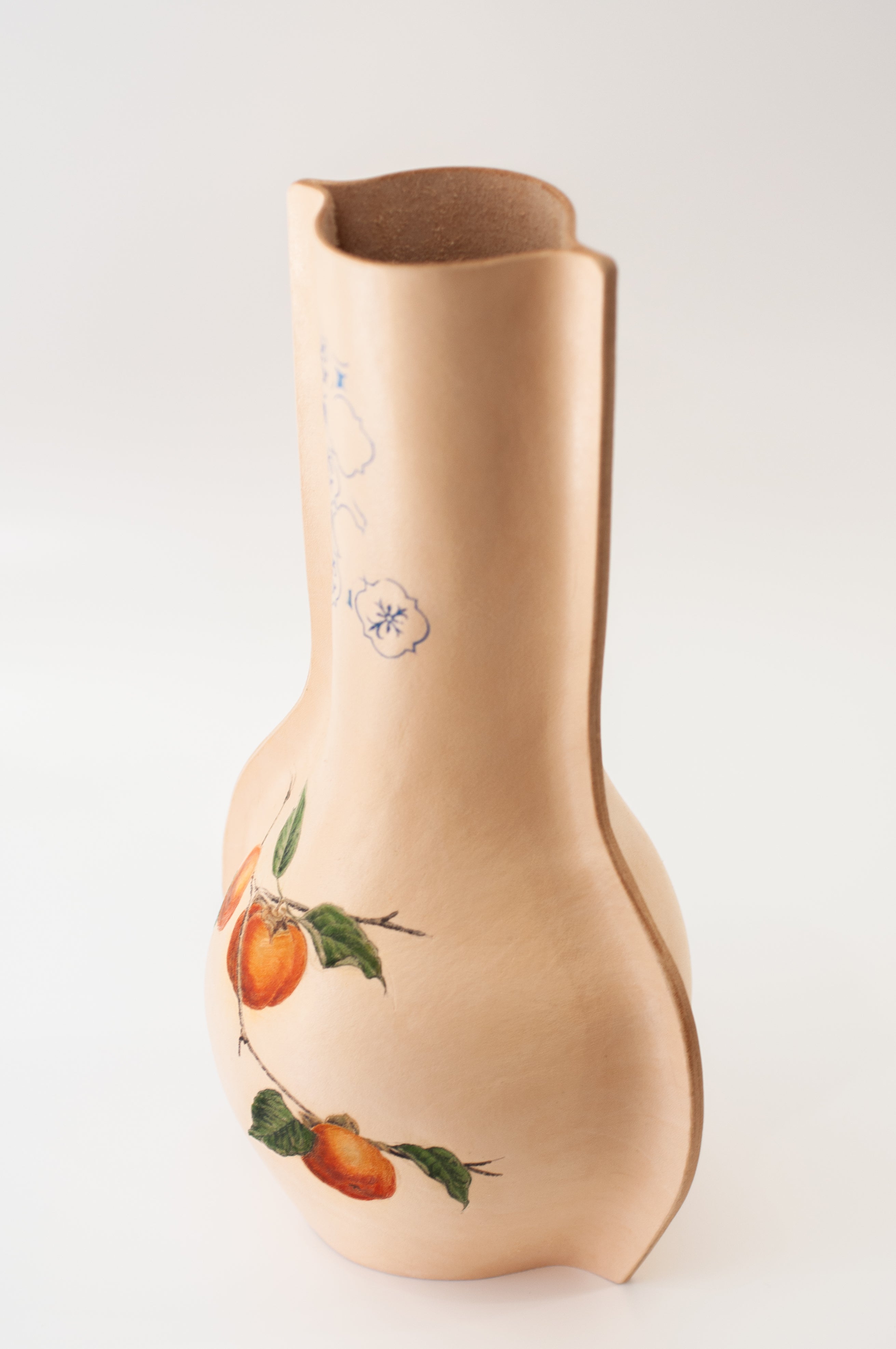
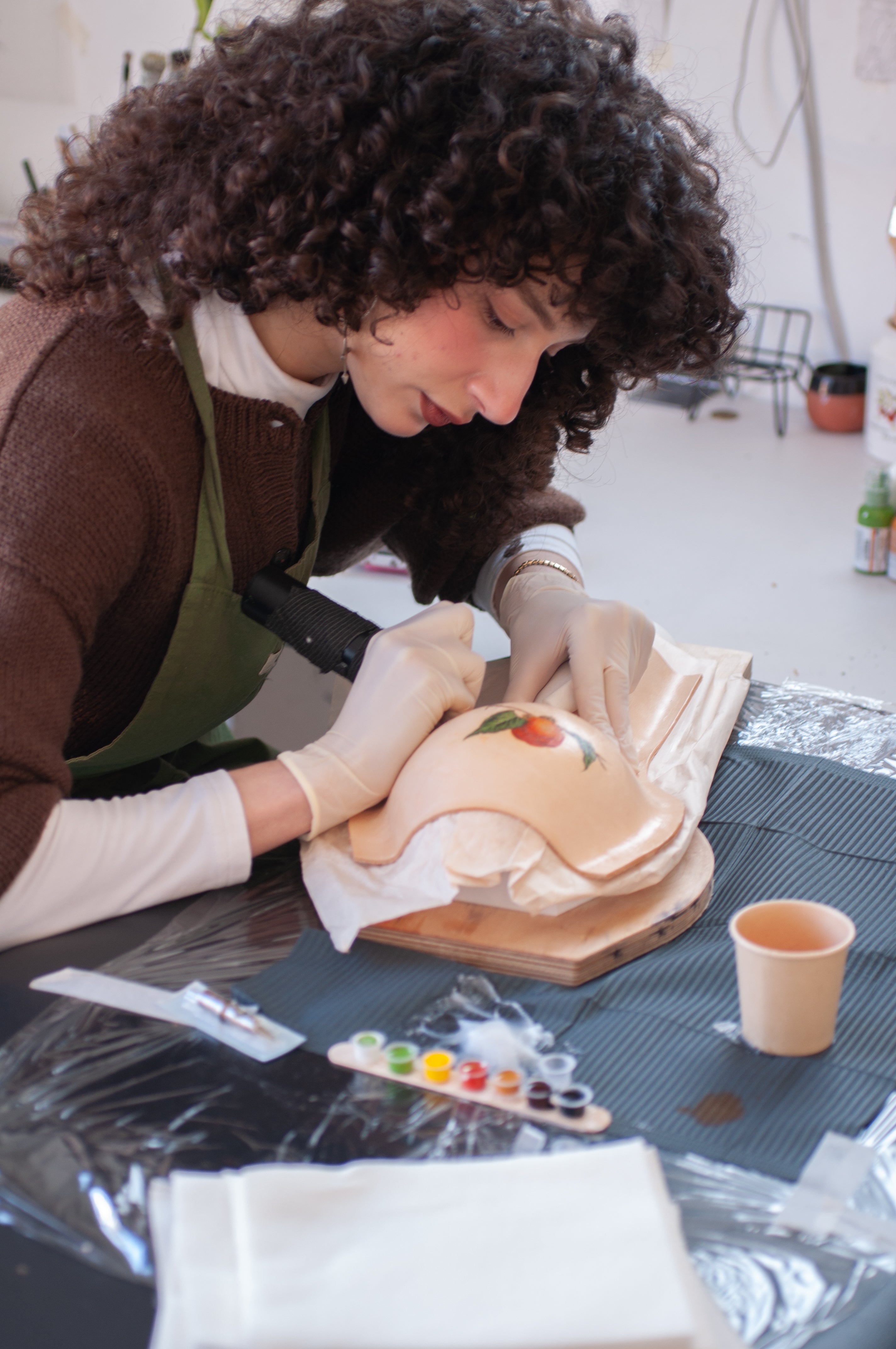
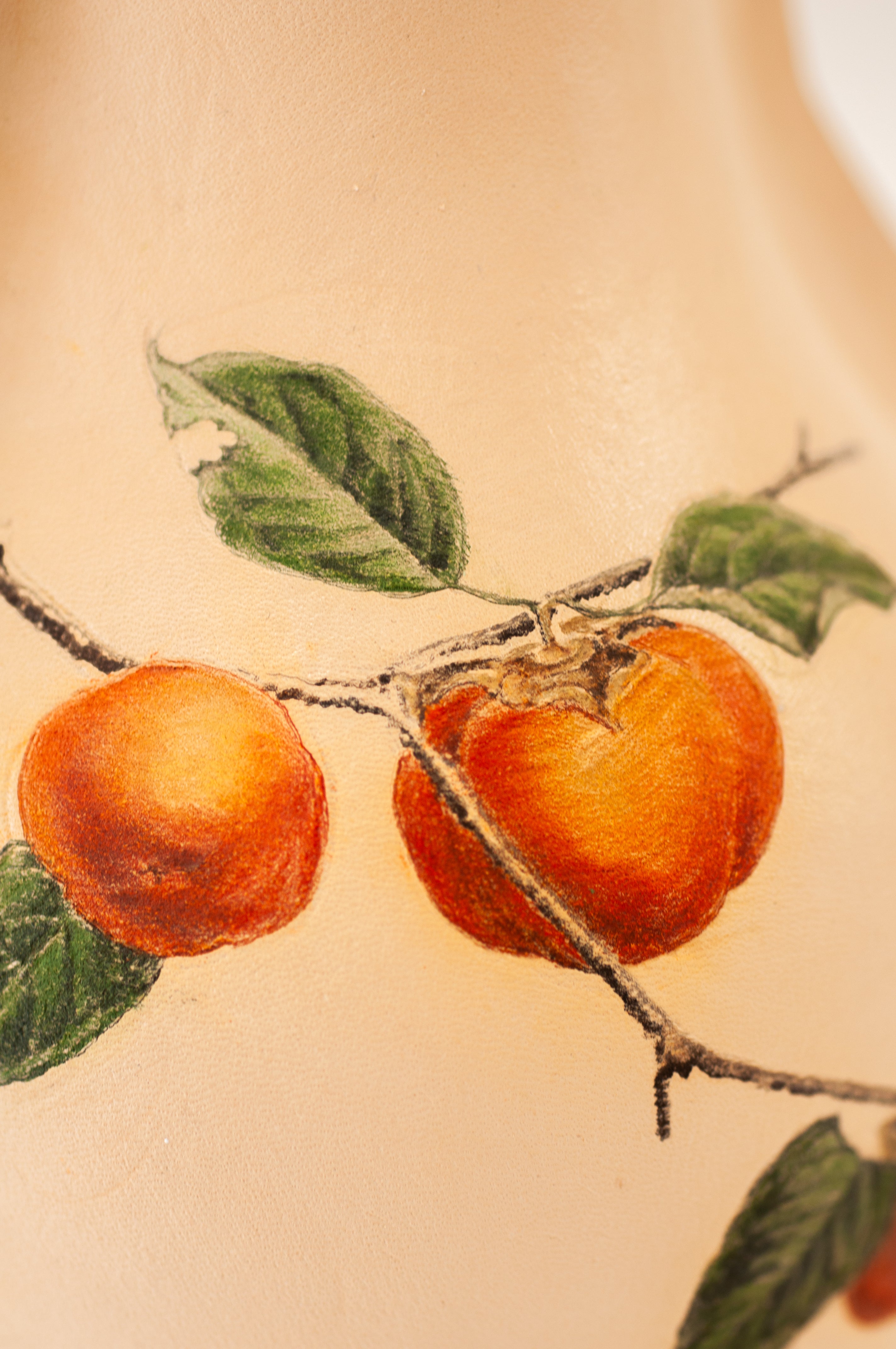
Noa is an artist and tattooist with her own studio, combining botanical realism with abstract ornamentation. She is drawn to fruits as symbols of creation — simple yet extraordinary, embodying beauty rooted in nature, growth, and life. For her, tattooing is a way to express emotions, memories, and personal processes through grounded visual symbols.
On the vessel, Noa tattooed persimmons in a freehand approach, continuing her exploration of form and volume. The choice reflects her love for the fruit, symbolizing nostalgia for her grandmother’s home, alongside a deep connection to material and the natural movement of the hand.
Omri Goldzak
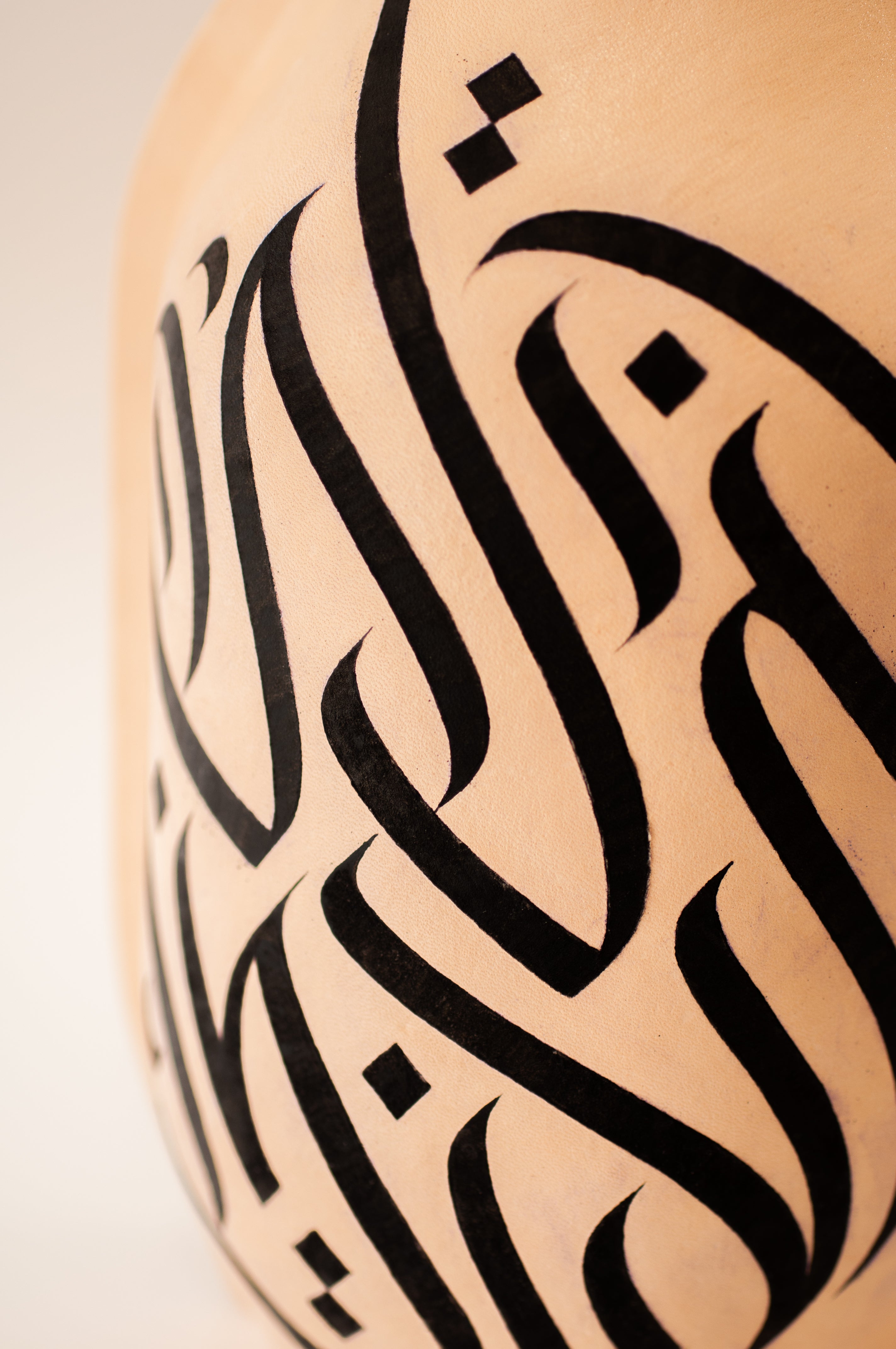
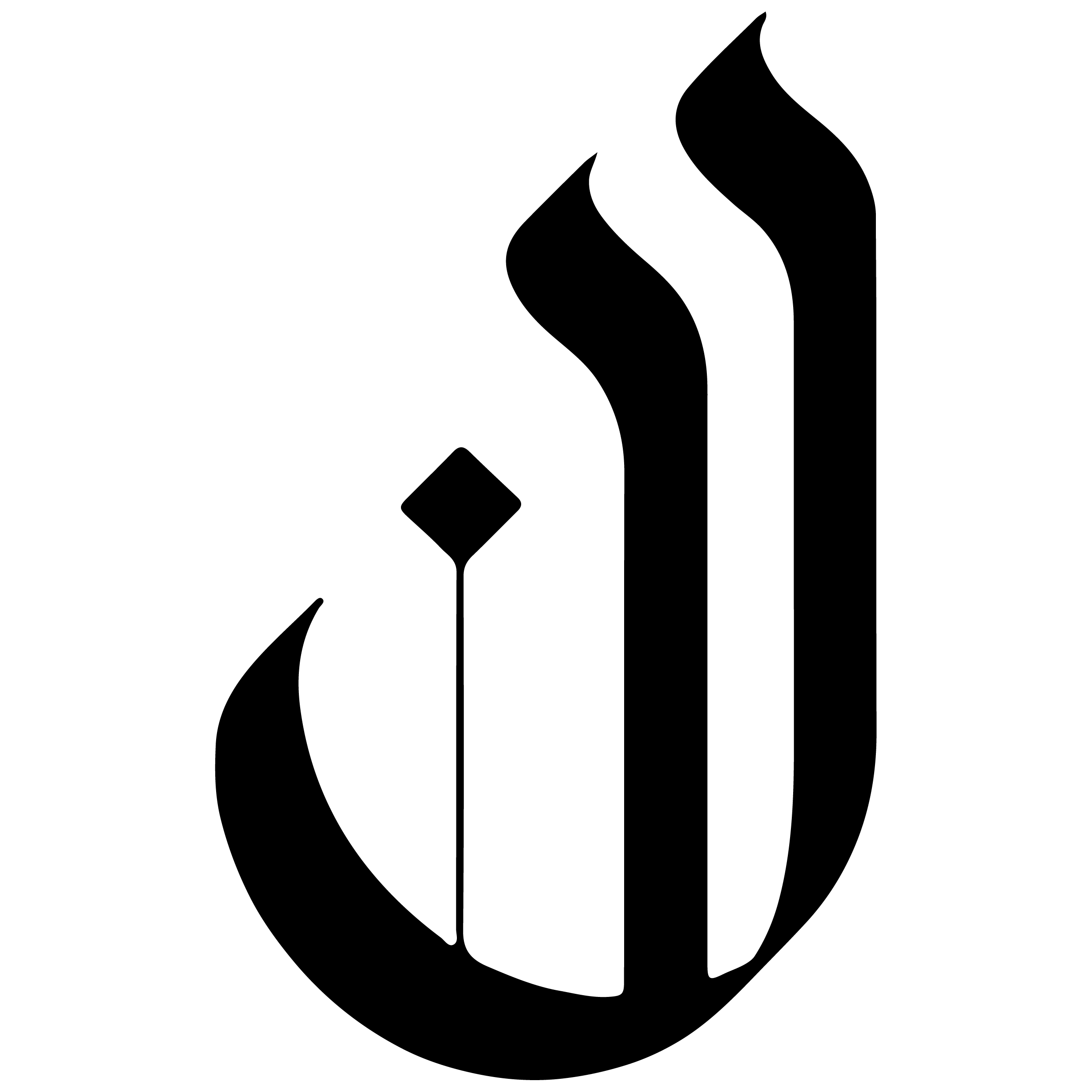
Omri has been tattooing for over a decade, exploring Hebrew–Arabic calligraphy through his mixed Mizrahi-Ashkenazi identity. His work engages with language, letters, and memory, bridging past and present through a visual balance of meaning and aesthetics. While digital tools have influenced his process, a longing for handcraft remains central.
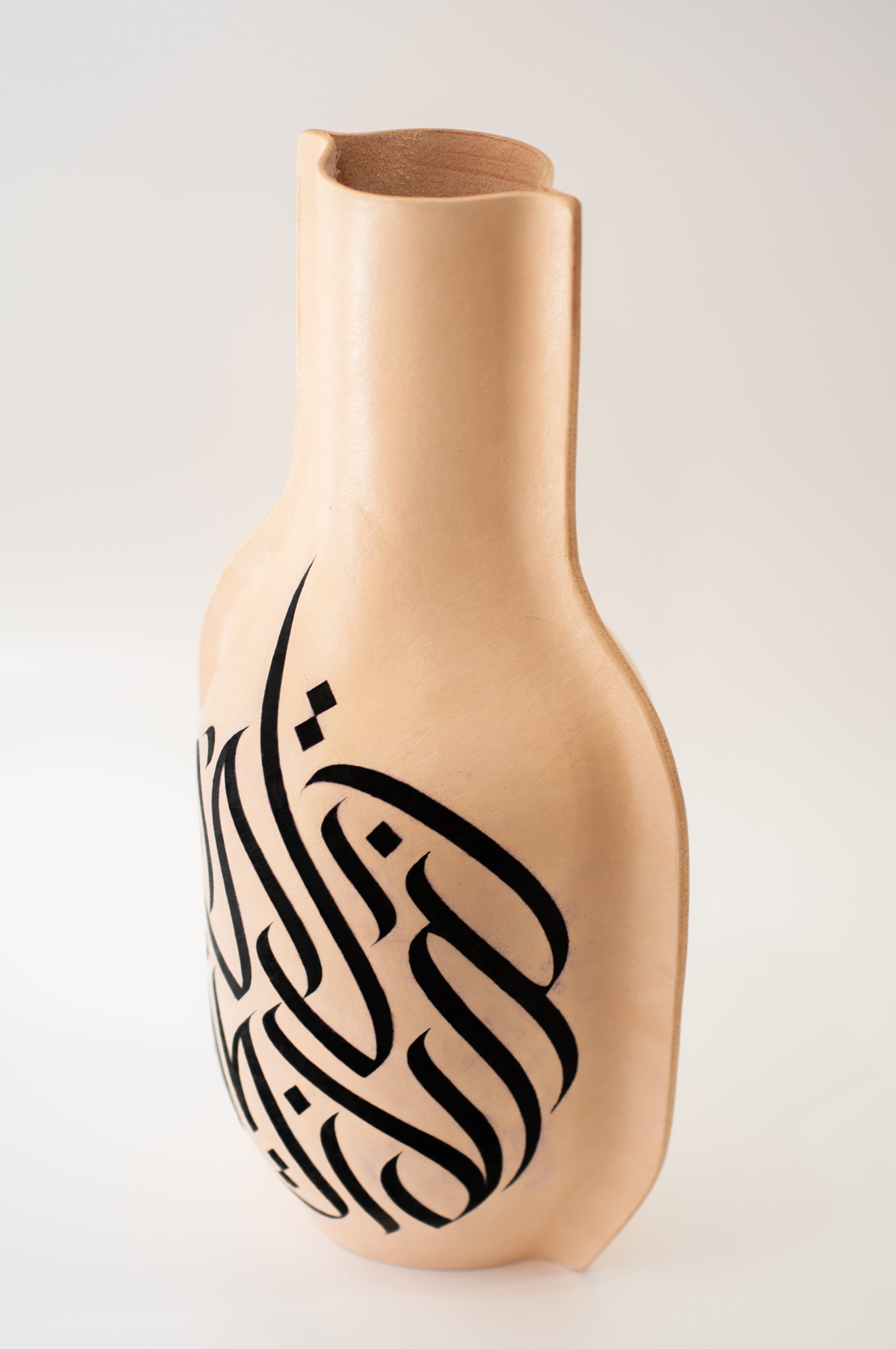
On the vessel, Omri tattooed the phrase “Enta Omri” (Arabic: “You are my life”), inspired by the iconic song by Umm Kulthum, beloved by his grandmother. She used to sing it to him and chose his name after it. The piece reflects themes of home, culture, and roots, turning the vessel into a surface of longing, love, and continuity.
Amit Kaplan
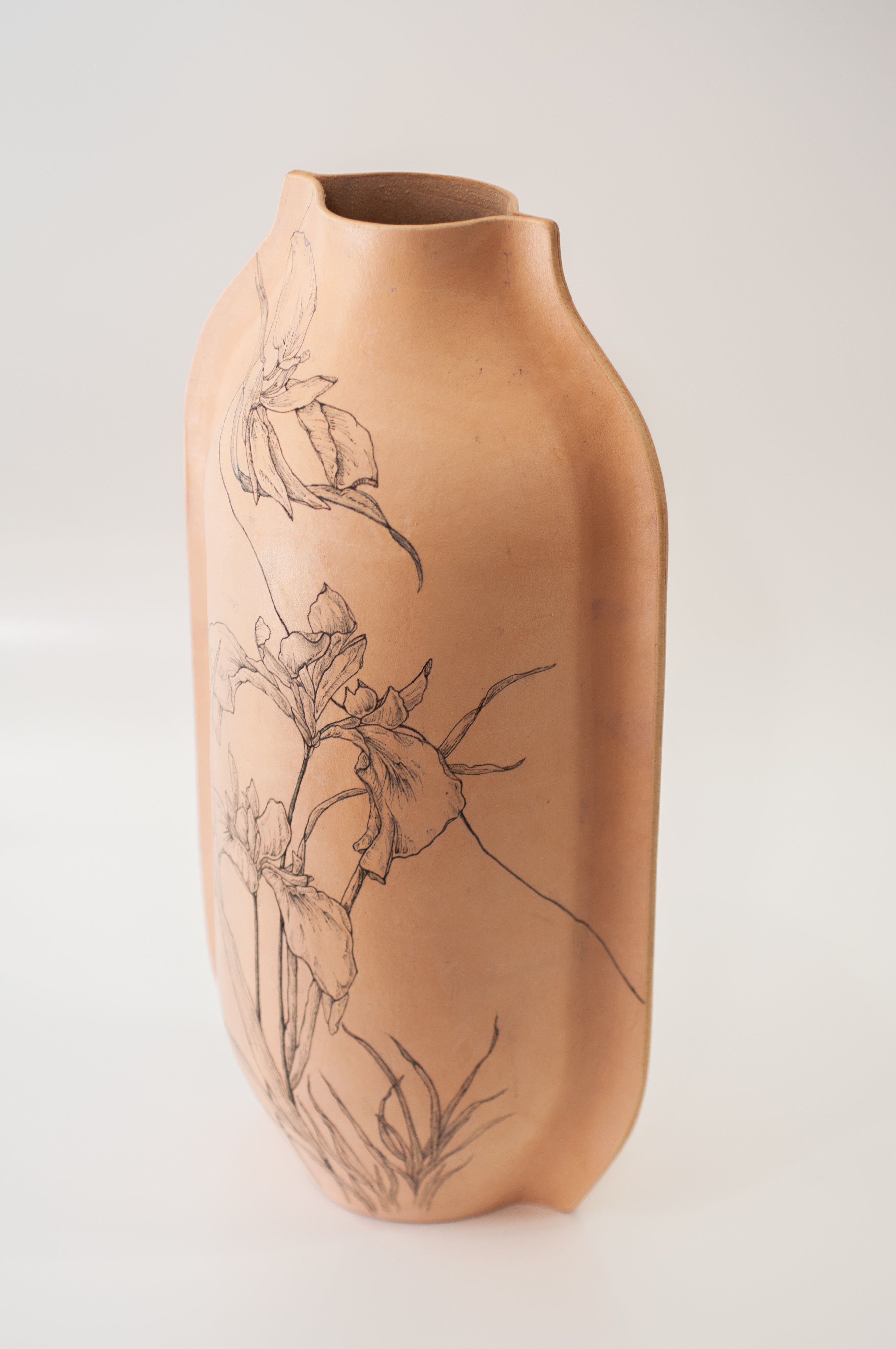
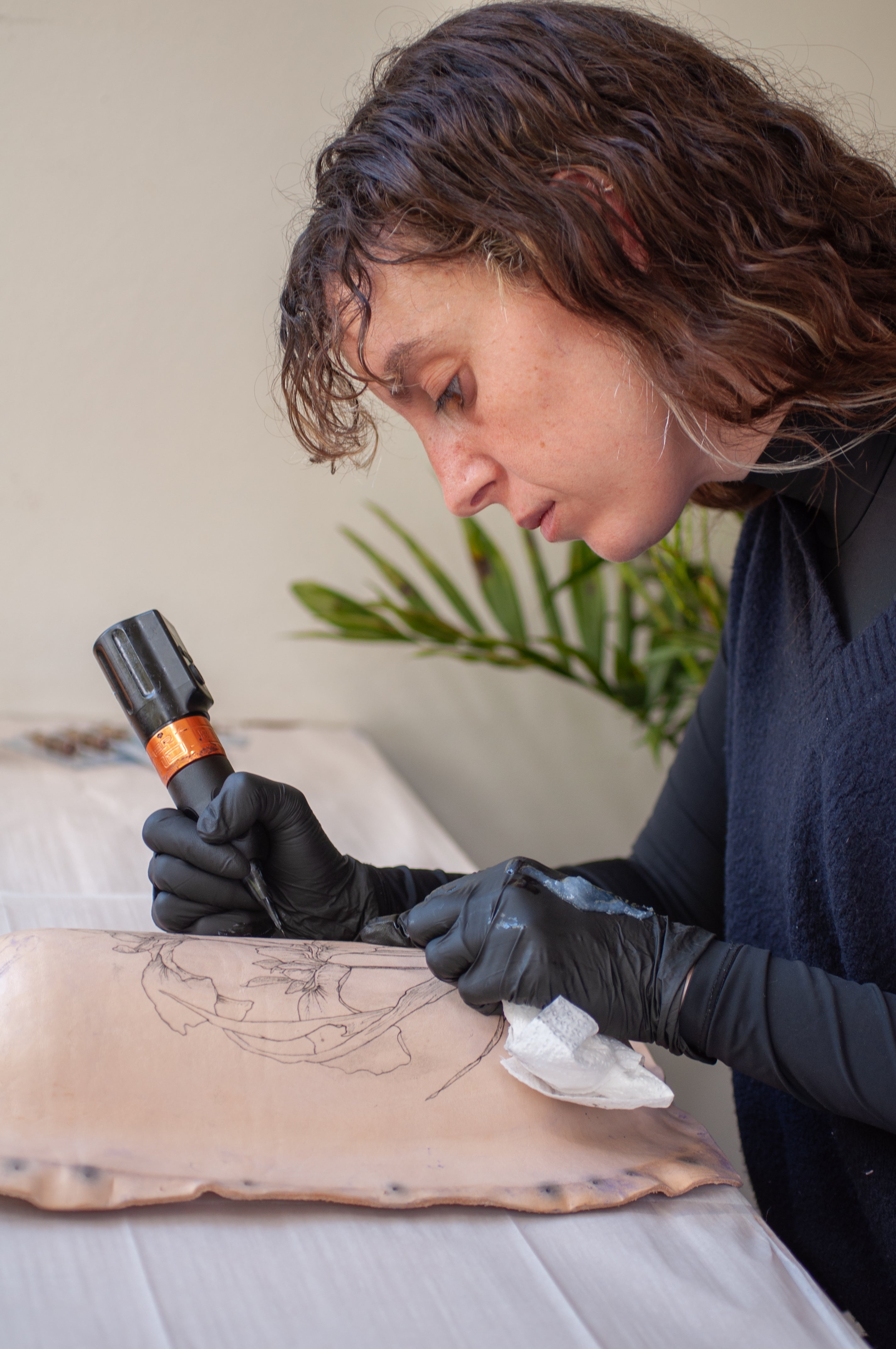
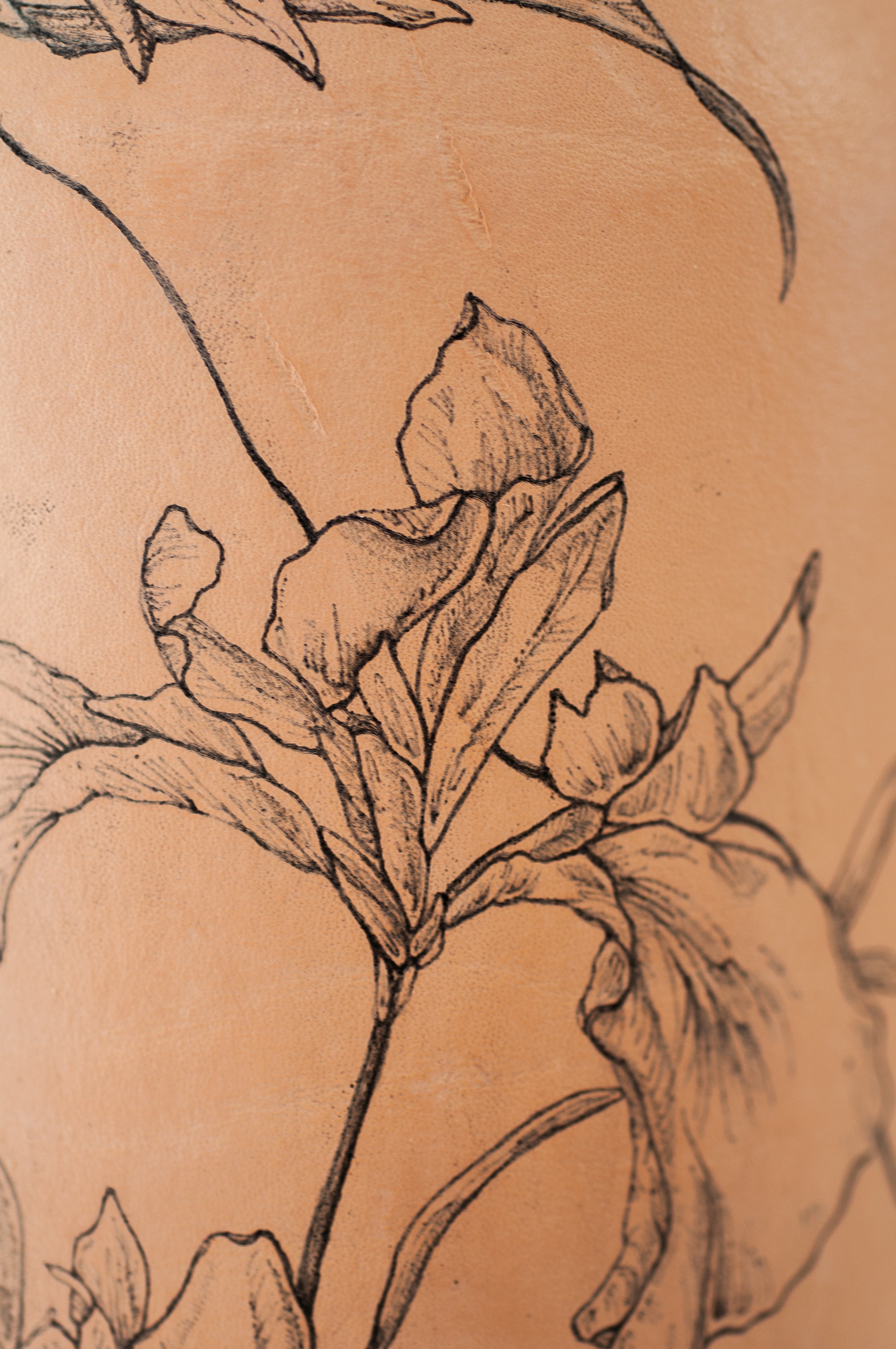
Amit is a tattoo artist driven by an ongoing passion for creation. She believes tattoos do not always require a fixed meaning, but can exist as part of a natural flow with the body. At the same time, she recognizes that the act of tattooing is always charged with personal significance, whether visible or hidden.
On the vessel, Amit created a composition of a single flower with searching, reaching lines, alongside two grounded irises on the opposite side. The work reflects a personal journey — from a sense of instability and drifting, toward rooting, grounding, and reconnection to life and identity.